Books from 2016 that are still worth reading
Ten books we loved then, and still love a decade later

If the “2026 is the new 2016” trend earlier this year struck you as mildly alarming, you weren’t alone. A decade can feel like a lifetime (or yesterday), but it’s hardly surprising that people feel nostalgic for what seems in hindsight, like simpler times.
2016 brought us some pretty pivotal moments; from the passing of legends such as David Bowie and George Michael to Leicester City’s unprecedented Premier League win. And of course, who could forget that the British people took to the polls and famously chose both Brexit and Boaty McBoatface.
Take a trip with us down memory lane, as we look at some of our most popular books published in 2016 and discover why, ten years later, they still get our vote today.
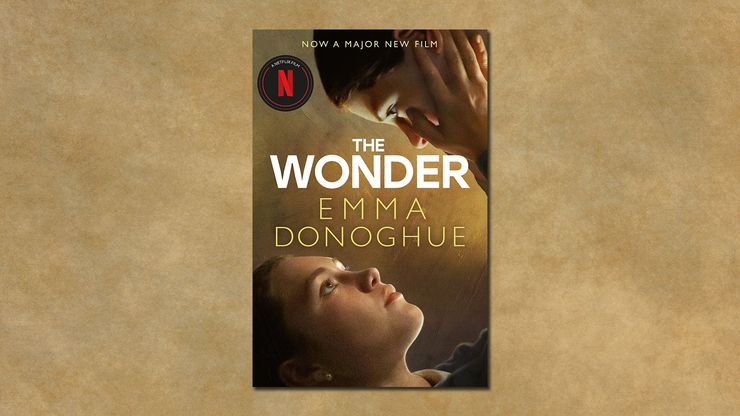
The Wonder
by Emma Donoghue
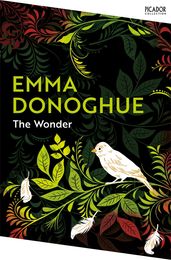
This gripping thriller by the international bestselling author of Room, explores the lingering trauma of life in the shadow of famine in mid-19th century Ireland. An English nurse is hired to observe an eleven-year-old girl who has mysteriously stopped eating yet continues to appear miraculously healthy. Inspired by the Victorian phenomenon of “Fasting Girls”, is this girl a divine miracle, or part of an elaborate deception? The novel examines the enduring clash between faith and reason, coloniser and colonised and was later adapted for the screen in the haunting Netflix film starring Florence Pugh (2022).
Black and British
by David Olusoga
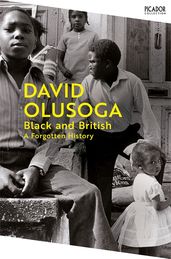
This powerfully illuminating work uncovers the profound yet often overlooked contributions of Black lives to Britain’s history. Spanning from Roman Britain to the transatlantic slave trade and its role in the British Empire’s global dominance, Olusoga draws on extensive research to demonstrate how forgotten Black history is woven into the nation’s cultural and economic success. With its most recent edition also addressing the Windrush scandal, Black and British continues to offer unflinching, eye-opening insights into a history that has long been ignored.
Arrival
by Ted Chiang
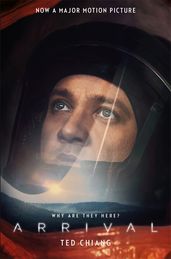
From a towering Babylonian structure that bridges a flat Earth with the heavens above, to a world where daily encounters with angels are awe-inspiring yet unsettling, this masterfully-told collection of short stories quickly captured the imagination of the science-fiction community. Originally titled as Stories of Your Life and Others, it was published as Arrival to coincide with the Oscar-nominated film starring Amy Adams. The film adapts one of the stories from the collection, where a renowned linguist is recruited by the US military to lead attempts to communicate with extraterrestrials whose language challenges our perception of time and reality.
Selection Day
by Aravind Adiga
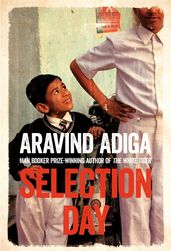
The Booker Prize winning author’s fourth novel is a coming-of-age tale that explores the intense, high-stakes world of Indian cricket. Set in Mumbai, the story follows two teenage brothers who have been raised by their domineering father to devote their lives to a single aspiration; becoming the best batsmen in the world. Rather than relying on the familiar rags-to-riches sentimentality often found in Western portrayals of India, Adiga’s narrative offers a sharper examination of sibling rivalry, ambition and the complex forces of privilege and greed within a society obsessed with cricket.
Let Them Eat Chaos
by Kae Tempest
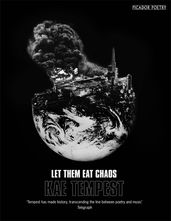
This epic narrative poem centres on seven neighbours living on the same street who are complete strangers to one another. When time freezes in the early hours of the morning, we see how each of them lives alone, disenfranchised and hopeless, before a great storm breaks out over the city and forces them to connect with each other. Written in a year of great political upheaval, Tempest shows us how alienation can breed a sense of apathy and asks us to challenge the forces that seek to divide us. Let Them Eat Chaos also brought the poetry scene to a new audience when it was released as a spoken-word album, later shortlisted for the Mercury Prize in 2017.
The Last Act of Love
by Cathy Rentzenbrink
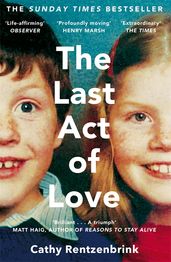
This deeply moving memoir is a gut-wrenching account of a family’s grief, and an exploration of the agonising ethical dilemmas surrounding end-of-life care. In 1990, Rentzenbrink’s teenage brother was hit by a car and though he survived, he remained unresponsive for eight years. The family, who dedicated their lives to his care, eventually faced a difficult decision: was keeping him alive an act of love, or prolonging his suffering? Despite directly confronting the difficult and often-avoided discussion of "letting go", the book is a warm tribute to a lost brother that will stay with you long after the final page.
The Muse
by Jessie Burton
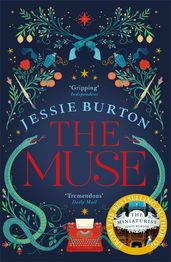
Following the huge success of her debut The Miniaturist, Burton returned with a dual-timeline historical novel that intertwines the lives of two women: one in 1960s London, the other in rural Spain during the 1930s. Their stories are linked by a mysterious painting, long believed to be a lost masterpiece. True to Burton’s signature style, the novel features complex female characters vividly drawn in lush, sensory prose and offers a powerful critique of the art world’s persistent need to reconsider which voices are elevated and which are silenced.
Walls Come Tumbling Down
by Daniel Rachel
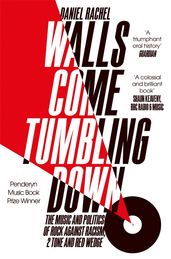
An authoritative oral history documenting the intersection of British pop music and political activism between 1976 and 1992, Daniel Rachel explores how musicians became catalysts for social change and resistance through three defining movements: Rock Against Racism, 2 Tone and Red Wedge. By compiling interviews with key figures including Billy Bragg and Jerry Dammers (The Specials), the book chronicles the defiant struggle against systemic racism, the rise of the far-right and Thatcherism, capturing a transformative era where Britain’s unique music scene shaped the landscape of multicultural Britain.
Our Souls at Night
by Kent Haruf
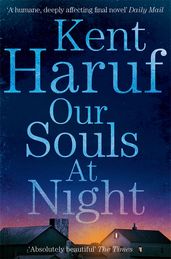
Haruf’s final novel is a bittersweet story about discovering happiness later in life. Set in the fictional town of Holt, Colorado, two lonely widowed neighbours strike a bold bargain; to share a bed each night, but only to hold hands and share their life stories. Soon, this innocent ritual becomes the subject of small-town gossip and familial disapproval, threatening the peace they’ve found in their twilight years. Written with Haruf’s signature simplicity, the novel stands as a beautiful and poignant final chapter to a career defined by deep empathy for the human condition.
Not Working
by Lisa Owens
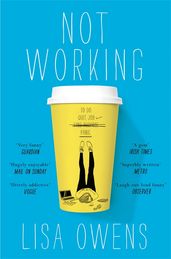
When a young woman impulsively quits her unfulfilling job to find her true calling, what starts as an optimistic quest quickly spirals downward. At the time of its release, its candid, personal voice drew comparisons with Bridget Jones's Diary, and arrived just as the “quarter-life existential crisis” genre was hitting its stride. If you’re still wondering what you should be doing with your life, this hilariously dry novel will at least help you laugh about it.